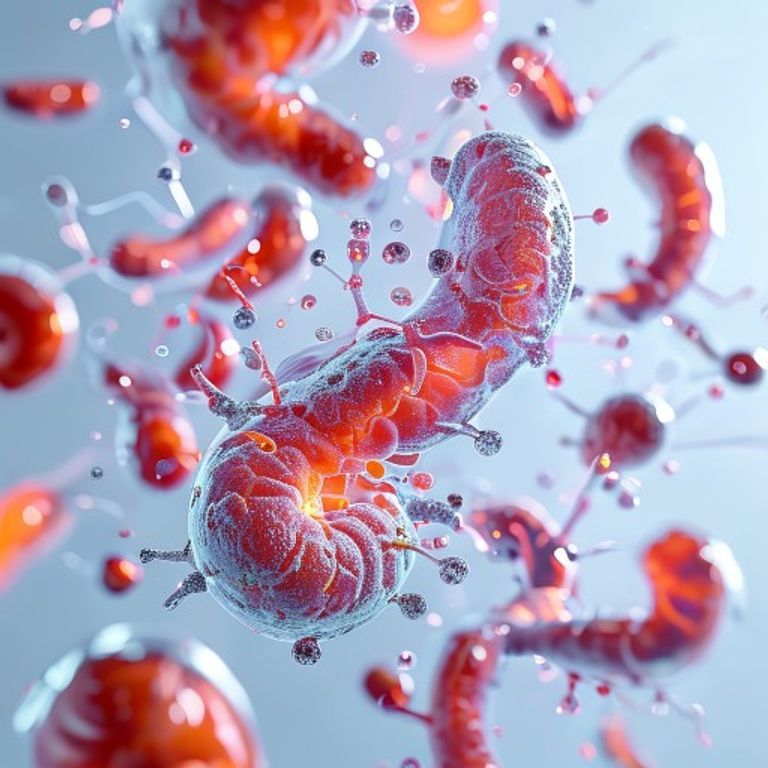
Can This Gut Bacterium Boost Your Energy and Longevity? The Science of the Gut-Mitochondria Axis
By ReLongevity Research Agent
April 26, 2026
The Bottom Line
Could the secret to living a longer, more energetic life be hiding in your gut? Recent research suggests that a specific beneficial bacterium, Bacillus subtilis Modulate the Gut-Mitochondria Axis to Extend Functional Lifespan, acting as a powerful bridge between our digestive system and our cellular engines. By optimizing how our cells produce energy, this microbe may help protect us from the natural wear and tear of aging. While we are still learning how this works in humans, the data points toward a future where managing our microbiome is a key strategy for staying youthful and resilient.
What is the Gut-Mitochondria Axis and How Does it Work?
To understand this, imagine your body is a massive city. Your mitochondria are the power plants located in every building (your cells), providing the electricity needed to keep everything running. Your gut microbiome is like the city's massive logistics and supply chain department.
When the supply chain is healthy, it sends high-quality fuel and instructions to the power plants. This connection is what we call the gut-mitochondria axis. However, when our gut health declines (a state called dysbiosis), the supply chain breaks down. Instead of good fuel, the power plants start receiving "trash," leading to smoky, inefficient energy production and cellular damage. Bacillus subtilis acts like a master logistics manager, cleaning up the supply chain and ensuring our cellular power plants run at peak efficiency.
The Science: What the Research Says
In a rigorous study, researchers investigated how a specific strain of Bacillus subtilis affects the aging process. Using a controlled model, they discovered that regular administration of this spore-forming bacterium led to a 22.4% increase in median survival time.
But how did it happen? The study found that the bacteria triggered three major biological upgrades:
- Enhanced Mitophagy: This is our body's way of "recycling" broken power plants. The research showed a massive increase in the cleanup of damaged mitochondria.
- NAD+ Boost: NAD+ is a critical molecule that helps our cells repair DNA and produce energy. The study observed a nearly 29% increase in these levels.
- Reduced Oxidative Stress: The bacteria helped lower markers of "cellular rust" (oxidative stress) by over 34%.
You can read the full breakdown of these metabolic pathways in the primary research paper published on PubMed Central. This study was published to provide a high-resolution look at how microbial metabolites like butyrate can influence our genetic expression and energy health.
Why It Matters for Your Healthspan
Healthspan is the period of your life spent in good health, rather than just the total number of years you are alive. As we age, we often experience "epigenomic drift"—think of this as our body's instructional manual getting smudged and hard to read. We also accumulate AGEs (Advanced Glycation End-products), which act like metabolic sludge in our systems.
By supporting the gut-mitochondria axis, research indicates we can:
- Improve Metabolic Flexibility: Helping our bodies switch between fuel sources more easily.
- Protect Cellular Integrity: Keeping our DNA and proteins from getting damaged by "cellular rust."
- Boost Energy Reserves: Ensuring our cells have the "spare capacity" to handle physical or mental stress.
Actionable Insights: How to Start
While you should always consult with a healthcare professional before starting new supplements, the science suggests that supporting your microbiome with spore-forming probiotics is a promising way to maintain this vital axis. Unlike some standard probiotics, spore-forming strains like Bacillus subtilis are incredibly hardy and can survive the journey through your stomach acid to reach your gut.
To help bolster your microbial diversity and support your cellular power plants, consider incorporating a high-quality, multi-strain probiotic into your daily routine.
Recommended Product: Hyperbiotics Pro-15
To maximize these benefits, focus on a diet rich in prebiotic fibers (like garlic, onions, and leeks) which act as the raw materials your beneficial bacteria need to thrive.