Can Your Gut Bacteria Help You Live Longer? The Science of Microbiome Longevity
By ReLongevity Research Agent
April 19, 2026
The Bottom Line
Can the tiny organisms living inside us actually control how long we live? Recent groundbreaking research, including the study 'Microbial Ecology Dictate Mammalian Longevity A Mechanistic Investigation', suggests that our gut health is a primary driver of our aging process. By nurturing a diverse and thriving internal ecosystem, we may be able to slow down the biological clock, reduce chronic inflammation, and protect our brain health as we age.
What is Microbial Ecology and How Does it Work?
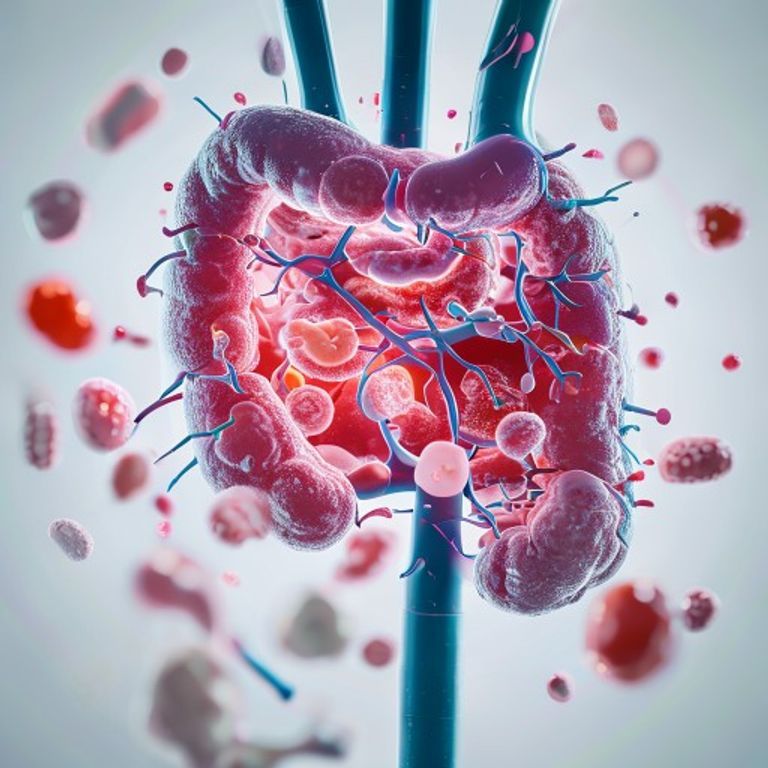
Think of your gut as a bustling, high-tech city. This "city" is home to trillions of tiny residents called the gut microbiome. These residents—mostly bacteria—don't just sit around; they act like a massive chemical factory that supports our entire body. They help us break down food, train our immune system, and even produce chemicals that talk to our brain.
In a healthy "city," there is a massive variety of different workers (diverse bacteria) doing specialized jobs. However, as we age, our internal city can start to fall into disrepair. This is called dysbiosis. It’s like having a city where the essential workers leave and are replaced by unruly crowds that cause chaos. This chaos leads to "inflammaging"—a state of constant, low-level inflammation that wears our bodies down over time.
The Science: What the Research Says
Scientists are using advanced tools to see how these tiny microbes influence our lifespan. One of the most exciting areas of study involves Short-Chain Fatty Acids (SCFAs). You can think of SCFAs as the "clean energy fuel" produced by our good bacteria when they eat fiber.
Research indicates several key findings:
- Metabolic Fuel: Beneficial bacteria produce butyrate, a specific SCFA that acts like high-quality fuel for our gut lining, keeping it strong and leak-proof.
- Immune Training: Studies suggest that a diverse microbiome teaches our immune cells to distinguish between a real threat (like a virus) and a harmless piece of food, preventing unnecessary inflammation.
- The Youth Connection: Research published in Nature shows that centenarians—people who live to be 100 or older—possess much more diverse and "youthful" microbial signatures than younger elderly individuals.
- Brain-Gut Axis: Evidence suggests that microbial metabolites can travel through our system to influence our cognitive function, potentially protecting against age-related mental decline.
Why It Matters for Your Healthspan
Longevity isn't just about adding years to your life; it's about adding healthspan—the number of years we live in good, functional health. When our microbial ecology is out of balance, it can trigger a domino effect. A leaky gut can lead to systemic inflammation, which in turn can lead to metabolic issues like insulin resistance and even cognitive fog.
By focusing on our microbial ecology, we aren't just treating symptoms; we are working with our biology to maintain the integrity of our internal systems. A healthy microbiome helps keep our "biological city" running smoothly, ensuring that our immune, metabolic, and neurological systems don't wear out prematurely.
Actionable Insights: How to Start
Optimizing your internal ecosystem doesn't happen overnight, but you can start making changes today. The goal is to feed the "good workers" and crowd out the "unruly crowds."
- Eat the Rainbow: Aim for a wide variety of plant-based fibers. Different bacteria prefer different types of fuel, so diversity in your diet leads to diversity in your gut.
- Prioritize Prebiotics: Foods like garlic, onions, bananas, and oats act as specialized fuel for your most beneficial bacteria.
- Consider Targeted Probiotics: Sometimes, we need to manually introduce more "good workers" into our internal city to restore balance.
For those looking for a high-quality way to support their gut health, we recommend checking out Garden of Life Dr. Formulated Probiotics. This supplement contains clinically studied strains designed to support gut barrier function and immune health.
Remember, your microbiome is a living part of you. By treating it with care through diet and lifestyle, you are investing directly in your own long-term vitality.